Threat Mechanics
 Yesterday on twitter I got pulled into a conversation about threat mechanics and whether or not the concept is intuitive to players. The whole thing started with a comment by my friend Ashgar about the Guardian ability Riot Blade in Final Fantasy XIV. You get this ability at level 12, before you really grasp how your class mechanics work. So many Guardians make the mistake of thinking it is an upgrade to their Savage Blade ability because it technically has higher potency and as such deals more damage. The problem is… Savage Blade deals silly amounts to threat generation or enmity in FFXIV terms, and Riot Blade does not deal any at all. As a result brand new Gladiators start doing the Riot Blade combo to regenerate their mana, and at that point stop holding threat on the encounters… and similarly stop doing their job which is to tank.
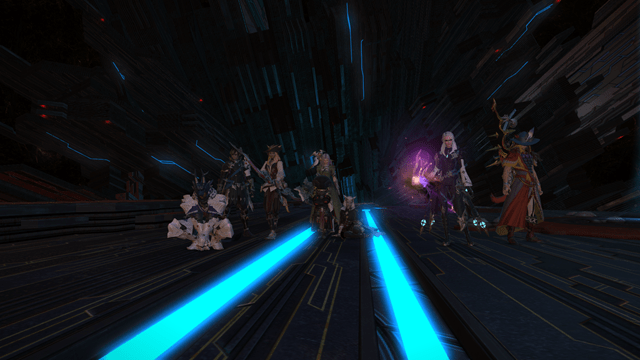
The root of our discussion was that we wished that Final Fantasy XIV had chosen to give Riot Blade to players later in the game. The big problem is that by the time you are able to run your first dungeons around level 16, Riot Blade is still the newest thing players have in their toolbox. But this is also why healing for a new Gladiator becomes one of the most frustrating experiences ever. Final Fantasy XIV has a really interesting threat meter mechanic in the form of a series of gems that change color based on how much threat you have on a given mob. We jokingly refer to this as “playing Bejeweled” and you know that it is going to be a rough run when after casting your first heal… everything turns orange to you, aggros you, and you start “heal tanking”. Some Gladiators listen, and you can get them to adapt their ways… namely pull with shield throw, flash twice, and savage blade combo until dead. Other Gladiators refuse to listen and start trying to blame other players.
Does Threat Make Sense?
 It was round or about this point that another friend of mine chimed into the conversation to drag us off in a completely different direction. My friend Talarian asked if we thought “threat” in general was a concept that players understood. His concept was that dealing damage and healing made obvious sense to a player, since both of those things existed in real life. But the concept of a tank, or the concept of threat generation abilities don’t have real world equivalents. To some extent I agree that threat generation is a bit more nebulous than damage or healing, but I totally think “threat” exists in the real world. As we go through our daily routines the “monkey brain” deep inside of us is constant assessing the world around us. Whether we want to or not, there is a calculation constantly ticking “is this a threat to me”? It doesn’t matter if you are walking down a dark alley or if you are trying to navigate the corporate hierarchy… we are constantly assessing threat to our well being or our interests.
I see the role of threat generation as being a master of influencing others to view you as being the primary threat. As such it has always made sense to me, be it storming into a room and like a action hero taunting the enemy “Hey Asshole! Why don’t you pick on someone your own size!” or simply taking aggressive actions to make someone take notice of what you are doing… the concept of forcing someone to deal with you makes sense to me. I think it is human nature to attack the most dangerous target first. We like getting the most struggle out of the way, so that we can focus on the targets of less threat later. While the wizard in the back of the room might be the real threat… that heavily armored guy that is coming straight for your with a big damned weapon drawn… is not exactly someone you can ignore and “feels” at the time to be the more immediate threat. Maybe that is precisely it, managing a sense of immediate harm and forcing encounters to deal with you because of your actions.
We Naturally Recognize Threat
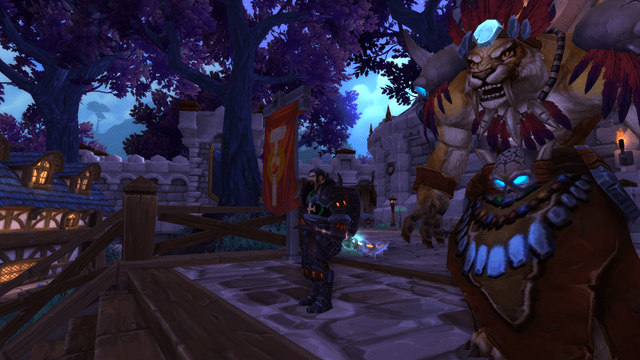
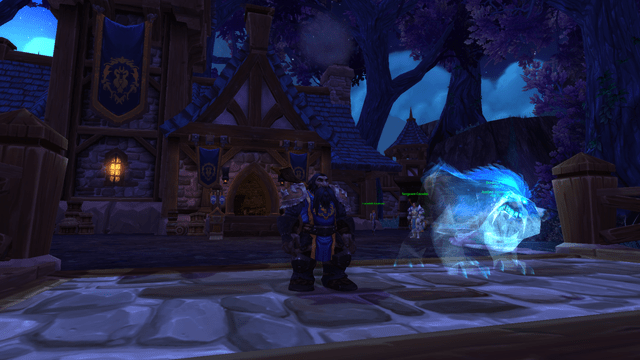
 One of the prime examples that I can give as to why “threat generation” works against players is when you are fighting a boss. When you do a lot of Looking For Raid in World of Warcraft, you notice there are certain tendencies in players. The first major tendency is to dog pile on whatever the biggest toughest looking mob there is. It does not matter if you said in raid chat to attack the mage first, or painted a skull over its head… there are still going to be a significant number of players attacking the big guy with the sword and shield. It is human nature to want to take down the big guy, and we tend to get tunnel vision and focus entirely on that mission if we are not careful. There are so many times that there is a side mechanic going on that is the REAL threat to the players… but especially as you get close to victory folks start ignoring the important things mashing their buttons harder trying to kill that big thing they were attacking. That big boss… has essentially effectively taunted the players into attacking him because of his imposing nature and perceived threat.
Sure games have created this artificial construct of abilities dealing X amount of threat per strike, but still at its core threat is a thing that players inherently understand whether or not they realize it. Some games have made some interesting choices around threat, by turning it into a target lock where mobs can taunt the players too… and you cannot target anything else for the requisite 6 seconds. Other games have chosen to make taunt work in PVP encounters by debuffing the damage you deal to anyone OTHER than the tank by a massive amount. Still others have relied on creating the role of tanking other players through careful use of stuns, slows, and pull effects to act as a physical obstacle that the players have to deal with in order to get to their target. All of which are tanking, and all of which are essentially “threat generation”. Sure some games have this as a mechanical number that needs to get bigger, but it exists in every game regardless of the mechanic or not. We might not know to call it threat, but I feel like by nature we understand that some things are of more danger to us than others. As such I don’t feel like threat has ever been a foreign concept to players.