
This morning I am barely capable of movement. Essentially we worked our little butts off yesterday but I will go into more detail below. Also I am groggy as shit, since I am having to get up way earlier than normal on a weekend morning so that we can get up and around and try and intercept my mother when she goes to breakfast after church with her friends. I am not a huge fan of holidays in general, but since mothers place the utmost of importance upon this day I try my best not to disappoint.
The Trash Pile Grow-eth
Over the week we had decided that the project we were going to tackle was getting the gaming loft back in order. Essentially for the last several years it has been unusable space. We had robbed the entertainment center of its television when we started RVing. When we got Sugar Gliders, the cage needed a relatively dark location, and the loft is habitually so. In addition all this clutter made its way out there, so without comfortable seating options, and a viable tv it just stopped getting used for anything at all.
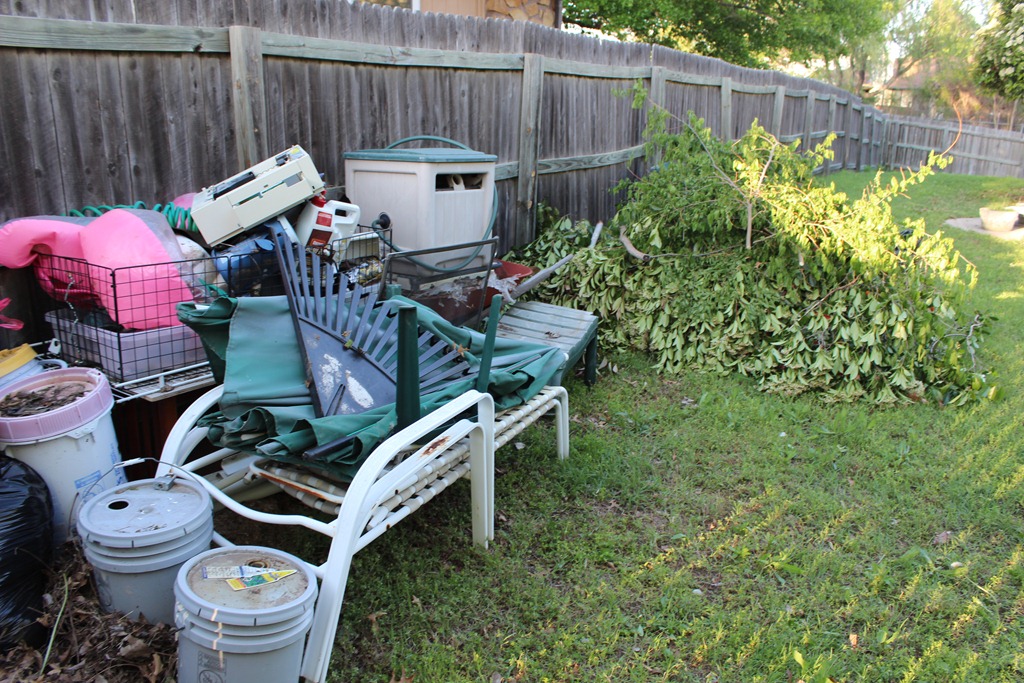
The problem with cleaning the loft is that we needed to clear a path through the backyard to start a trash pile. We had an entire year of leaf litter and random debris that had accumulated back there, so my wife decided that we needed to start the day by clearing a path. The scope was relatively small at first but we went well beyond the intended stopping spot.
Red Tipped Laurel
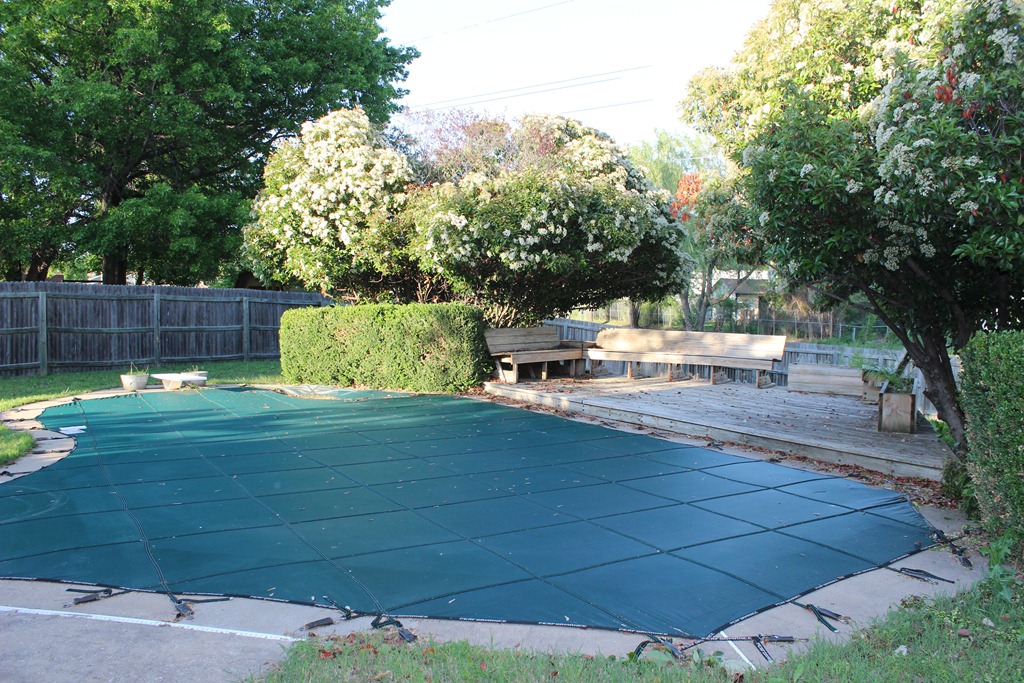
With the help of my brother in law we got the hedges and trees pruned back. Previously the hedges had overgrown to the point where you could not walk along the backside of the pool at all. Now the pathway is mostly clear, or at the very least passable. When the pool guys hooked up the cover to winterize it, they were not able to hook up one of the tethers because it was underneath the hedge. In our normal fashion, it just took us ages to actually get around to seeking someone with the equipment to trim them.
The other huge surprise is that our trees have flourished. Not sure why but this year is the first year I have noticed just how big they have gotten. When we moved it they were half that height and there was a clear delineation between each of the individual trees in each cluster. All this time we had thought they were just sickly, since every few leaves was a reddish brown color. According to my brother in law who is a borderline arborist, these are red tipped laurels, and that color mutation is on purpose. Apparently the trees are excessively healthy.
Winter Debris
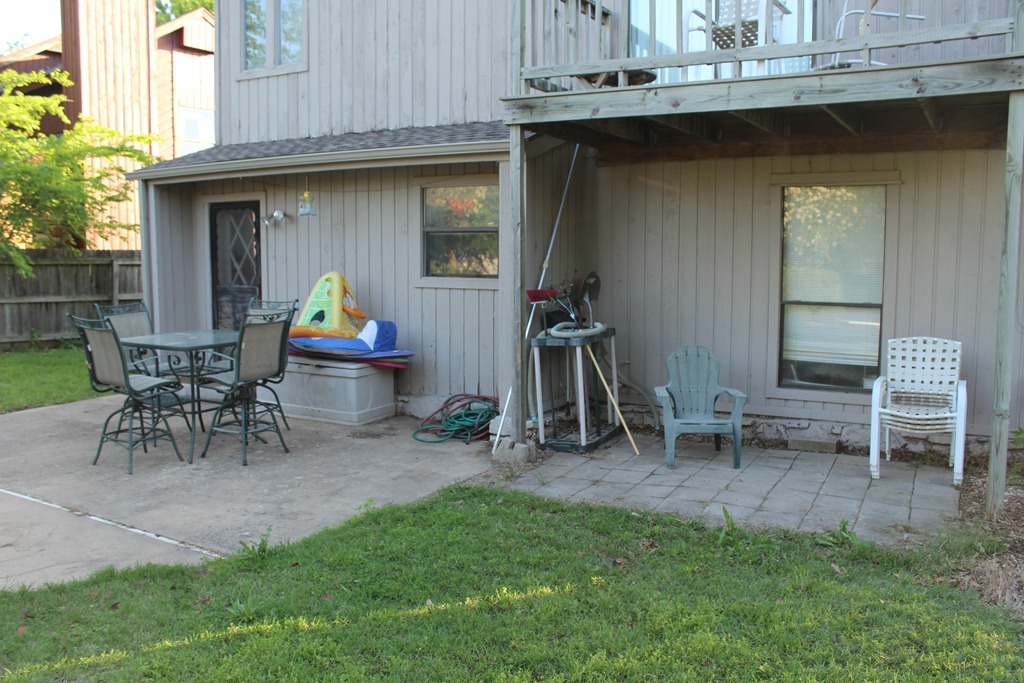
The main thrust of the backyard outing was to clear away all the leaf litter, and assorted debris that had collected over the winter. Honestly I wish I had taken a before shot, because the backyard was a mangled mess of junk everywhere. We had gathered leaves at a previous time, but neglected to collect the bags… and over the winter they had disentigrated. So those were an extra pain to clear. In addition all the furnature, and pool toys were strewn around the yard. The majority of pool toys are not even ours, but one of our good friends keeps bringing them over and leaving them.
That is actually the story of our yard as well. There were so many things just left in the back yard that we didn’t even recognize. There was a stereo that had been left out over the winter, and now had little bugs crawling in and out of the back. There were what felt like a couple dozen cups in various shapes and sizes that once contained a drink. All of this basically is the assorted debris accumulated by the kid that does our lawn. He is extremely forgetful, and just leaves things laying around constantly. We used to get home and find his bike just sitting in our yard for no apparent reason.
Enter Junkman
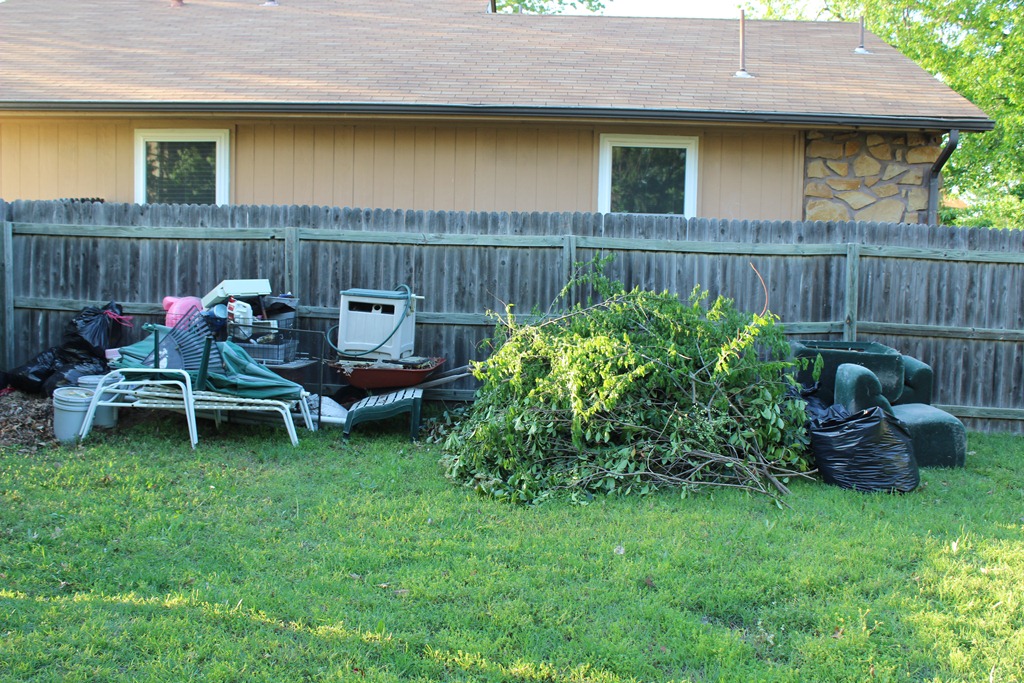
This would be disturbing to most, but we’ve seen him grow up and are used to it. We are as close to these neighbors as humanly possible, and they have listed us in the past as emergency contacts. Nonetheless this added up to a bunch of junk that we had no idea what to do with. We had looked into getting a dumpster rental, we have done that in the past when we knew ahead of time there was going to be an excessive amount of crap we would be throwing in it. However that is always a pain, and you feel that your time is ticking down since you only get it for a short period of time, and when one is in your front lawn… all sorts of random things seem to show up in it over night.
I had looked into the Bagster, which is a portable dumpster that you pick up at home depot, and then just call Waste Management to pick up when you were done. However while reading the reviews on Amazon, someone mentioned something they do instead. Basically they pile the stuff up in their yard and then call a junk and debris company to come get it. After a quick google I found the Junkman service, and that idea stuck. Basically you pile your crap up, and then they come load it up for you charging you based on volume. The cool thing about their service is that they will clean the area to the ground, and try to recycle everything they possibly can from your stuff. Seems like a win in all possible directions.
To the Loft!

We did not shower in the morning, since we knew we would get filthy working out in the yard. So both of us went in, showered, put on relatively clean clothes and went and got some lunch. My wife ended up taking a cat nap, and I ended up getting sucked into a couple of relatively quick bots matches in League of Legends. When we got started again we tackled moving the stuff out of the loft that we had intended to… namely these three weird doctors office seating chairs we had picked up ages ago. We thought the little unit was interesting, but they never really were comfortable, especially for long gaming sessions.
In addition the chairs were massive cat hair magnets. We corralled the cats into the bedroom, and carried them out one at a time, adding them to the junk pile. In addition we took out to my Jeep an old HP LaserJet 4 printer that was sitting up there, waiting to be donated to good will. We had an old male cat that was given to marking everything, regardless of what we did to try and stop him. So initially we had thought the entertainment center would be in extremely bad shape.
Turns out for whatever reason he had barely touched it. This combined with the fact that it was extremely well made, which means extremely heavy… we modified our plans and decided to just use the existing center. We cleaned it off completely, and changed the orientation, to make hooking the cable up easier. The loft is extremely screwy to be honest. You have a power outlet on the side behind the loveseat, and it would be near impossible to run cable over there, since that is the side that backs up to our rock chimney.
Loveseat Juggling
The last major chore was trying to figure out a way to get the loveseat up our very narrow stairwell, and into the loft. This involved so much odd maneuvering, and brute force that I am certain it is the cause of the majority of our aches this morning. It is amazing how something so relatively small looking can be such a pain in the butt to maneuver. There were several times we managed to get hung up and stuck on walls, banisters, railings etc. The final push to where it rests today essentially involved me pulling and lifting with all my might, while my wife got under the other end and lifted it almost straight up in the air.
To be a gentleman, I had tried to grab the end of the loveseat where Mac had sprayed… and even though we had cleaned several times it was still absolutely permeated with the stuff. As a result once we managed to get the loveseat upstairs and everything arranged… I took my second shower of the day. I was absolutely filthy from the dusk and cleaning up fermented cat urine. At this point the sunburn from working out in the yard, combined with the soreness in places I am not sure I even had… left me in a rather catatonic state. However it was all worth it, when I was able to hang out in the loft and play PlS3 last night in comfort.
Happy Mothers Day
I am needing to wrap up and get on the road. Going to meet up with my mother after she gets out of church and meet her at the local watering hole for breakfast. In addition after that, I need to see my grandmother, then travel an thirty minutes and see my wife’s step mother, and ultimately another thirty minutes to see her mother. It is going to be an extremely hassled day, and as sore as I am right now I am completely not looking forward to it. However it is Mothers Day, so what are you going to do. I hope you all survive the madness as well, and for the mothers out there… I hope you have the happiest of Mothers Days.


